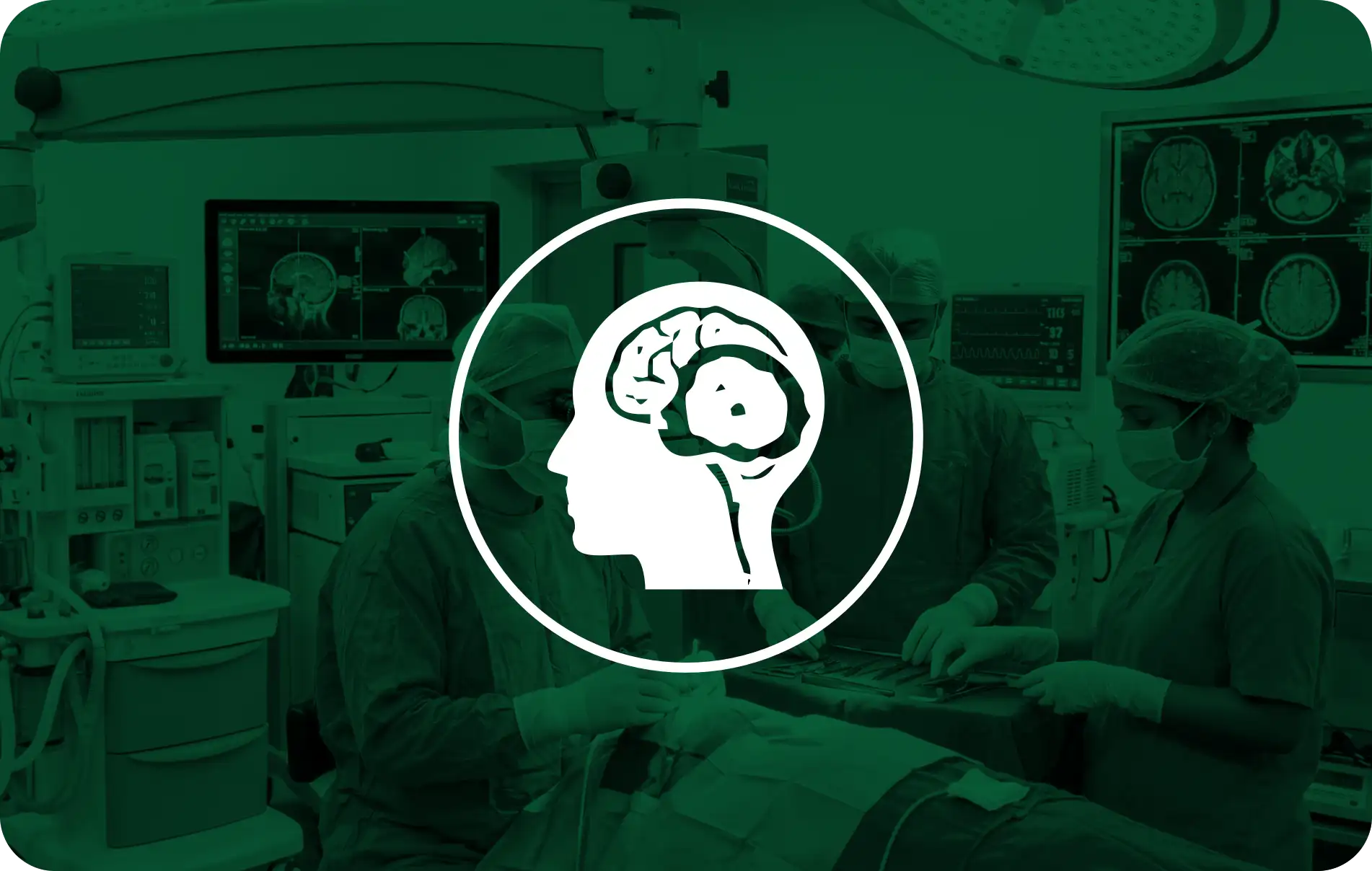
A craniotomy is an operation in which a section of the skull is temporarily removed to reach the brain. It is the standard way to remove many brain tumours, and it also allows a biopsy to be taken. The aim is to remove as much of the growth as can be done safely, relieve pressure and obtain tissue for diagnosis.
Those looking at brain tumour surgery in Mumbai at Apex are first evaluated with an MRI or CT, blood tests and a review of medicines, especially blood thinners. Steroids may be prescribed to reduce swelling, and anti-seizure medicines may be started. The operation is performed under general anaesthesia. The head is held steady, a bone flap is lifted, and the surgeon works under a microscope to separate the tumour from healthy tissue before the bone is replaced and the scalp is closed.
After surgery, patients are monitored closely, often in intensive care for a day or more. A scan is usually repeated to assess the extent of removal. Hospital stay and rehabilitation depend on the tumour and the patient's recovery, and further treatment may follow the laboratory report.
How the Procedure Can Help
Removing a tumour can relieve pressure on the brain, improve symptoms such as headache, weakness or seizures, and provide a firm diagnosis. In some benign tumours, complete removal may be curative.
Risks and Considerations
Risks include bleeding, infection, brain swelling, seizures, weakness, speech or memory difficulty and complications of anaesthesia. Some tumours cannot be fully removed without risking function. Increasing drowsiness, severe headache, fever, wound discharge, new weakness or fits after surgery need urgent review.