The Department of Neurosurgery at Apex Group of Hospitals understands that a problem involving the brain, spine or nerves can feel frightening. Our units in Borivali, Kandivali and Mulund provide surgical care for the brain, spine, spinal cord and peripheral nerves, with the aim of making each step clear and manageable. Anyone looking for a neurosurgeon in Mumbai is first seen by the treating doctor, who listens to the symptoms, examines the nervous system and reviews scans before discussing what can be done.
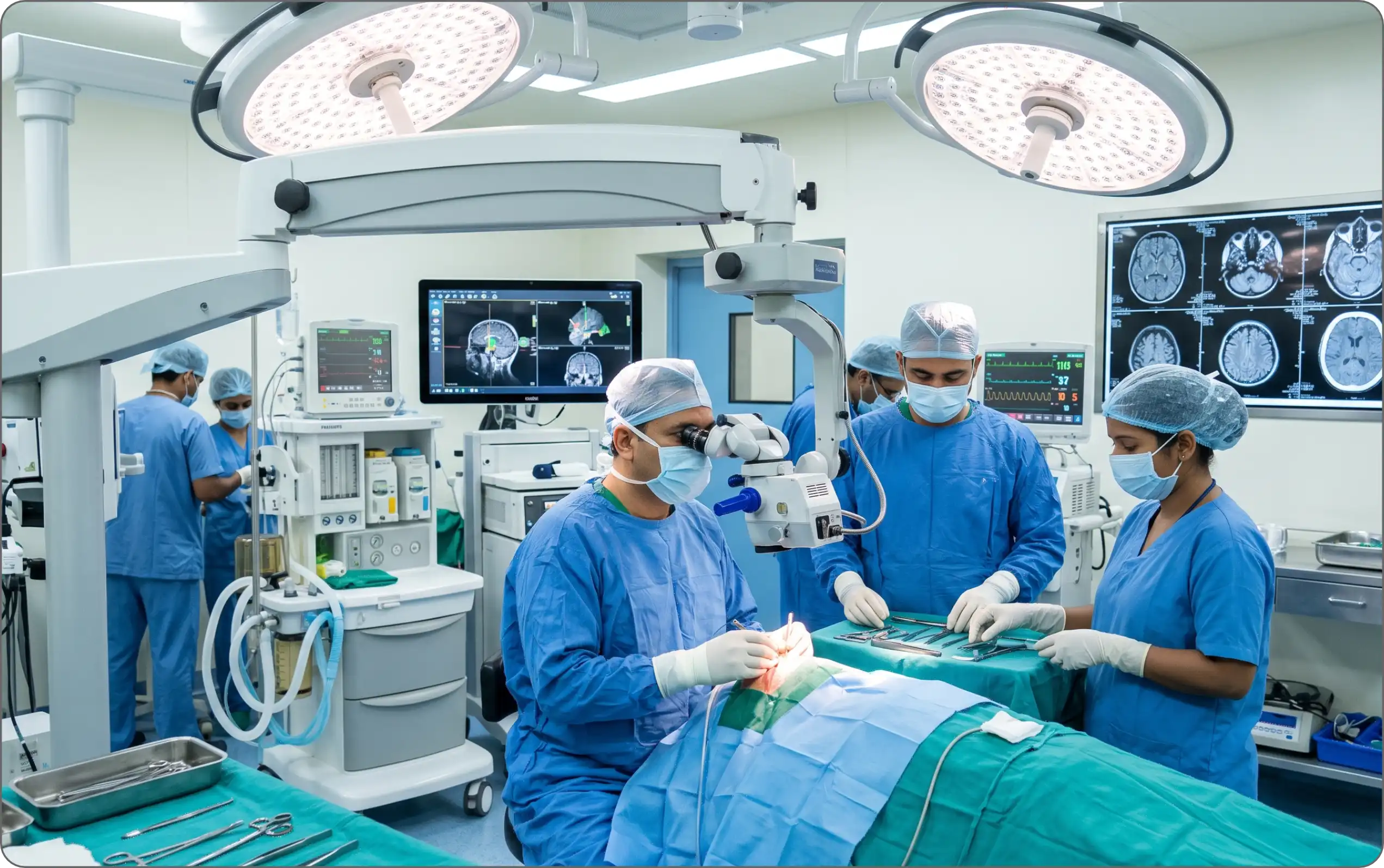
As a neurosurgery hospital in Mumbai, Apex cares for a wide range of conditions. These include brain tumours, head injuries, bleeding in the brain, disc and spine disorders, hydrocephalus and nerve compression. Imaging such as CT and angiography helps the team understand the problem clearly. During surgery, an operating microscope and dedicated spine instruments support careful, precise work.
Not every condition needs an operation. Many problems that reach a neurosurgeon, such as slipped discs or small growths, can first be managed with medicines, physiotherapy or regular monitoring. Surgery is advised only when it offers a clear benefit. Before taking consent, we explain the risks, the expected recovery, and the alternatives, so patients and families can decide with confidence and without pressure.
The Neurosurgery Department at Apex Group of Hospitals manages surgical conditions of the skull, brain, spine and nerves, from a pinched nerve in the neck to a head injury that needs urgent attention. Families can consult a neurosurgeon in Borivali, Kandivali or Mulund at the unit nearest to them. Treatment is recommended only after the cause of symptoms is clear.
Conditions the department manages include:
During a consultation, the neurosurgeon reviews symptoms, tests strength, reflexes and sensation, and may request CT, MRI, X-rays or angiography. The aim is to match the treatment to the cause. Many patients are advised to take medicines, undergo rehabilitation, or have watchful follow-up, and surgery is discussed only when it is likely to help.
Surgery on the brain and spine is a major decision, and patients and families need clarity about why it is advised and what it involves. Apex Group of Hospitals brings consultation, imaging, operation and recovery together across Borivali, Kandivali and Mulund.
Thorough evaluation first, a neurosurgeon in Mumbai at Apex begins with a detailed history and neurological examination. Scans are then read alongside symptoms, since an image alone does not always explain pain or weakness.
Book An Appointment
From consultation to treatment and recovery, our doctors across Borivali, Kandivali and Mulund are committed to delivering quality healthcare with excellence, compassion and trust.
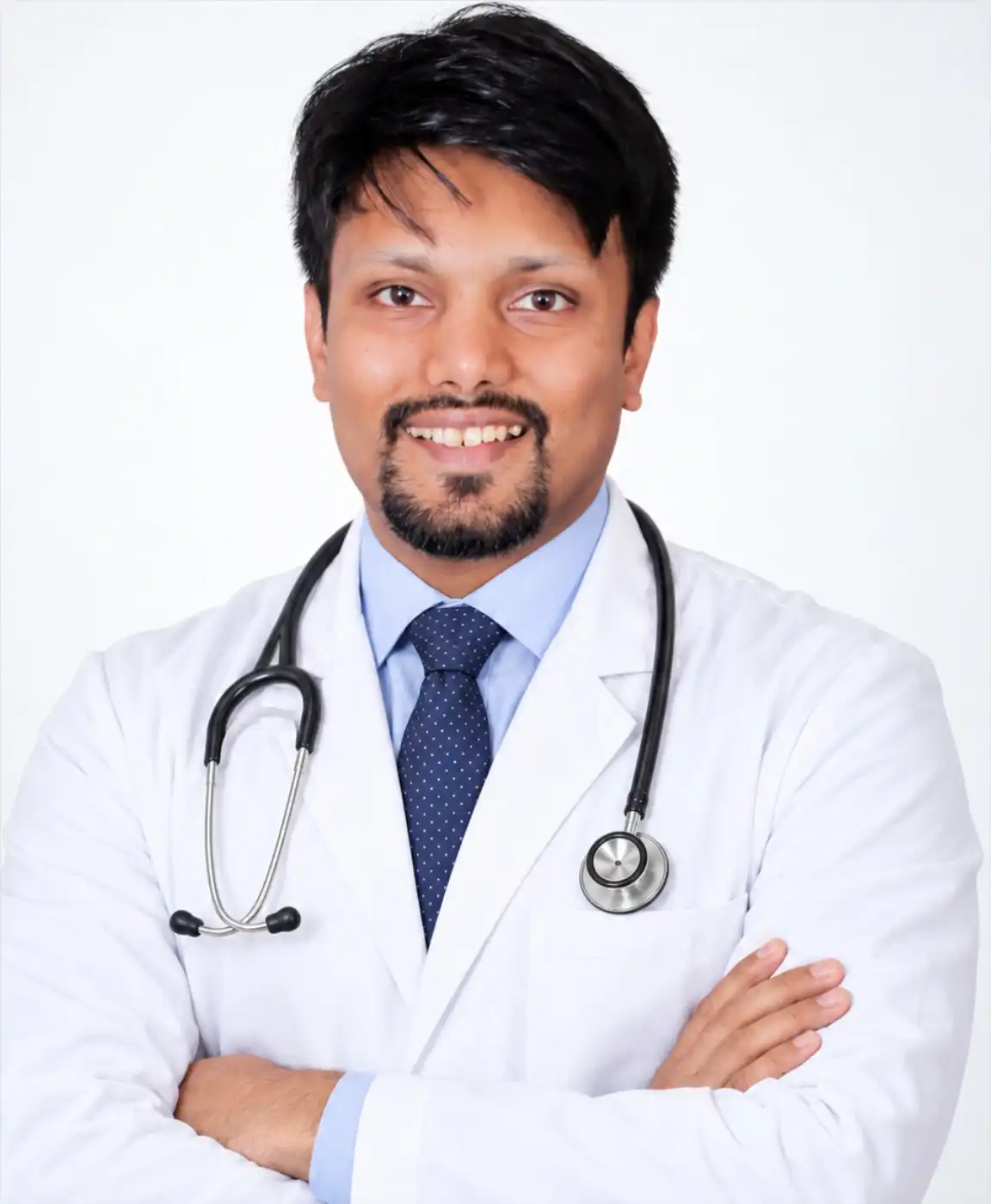
MBBS, MS (General Surgery), M.Ch (Neurosurgery)
Specialist: Consultant Neurosurgeon, Spine & Endovascular Specialist
Gender: Male
Language: English, Hindi, Marathi, Gujarati

MBBS, MS (General Surgery), DNB (Neurosurgery)
Specialist: Consultant Brain, Spine & Minimally Invasive Endoscopic Neurosurgeon
Gender: Female
Language: English, Hindi, Marathi, Gujarati, Bengali
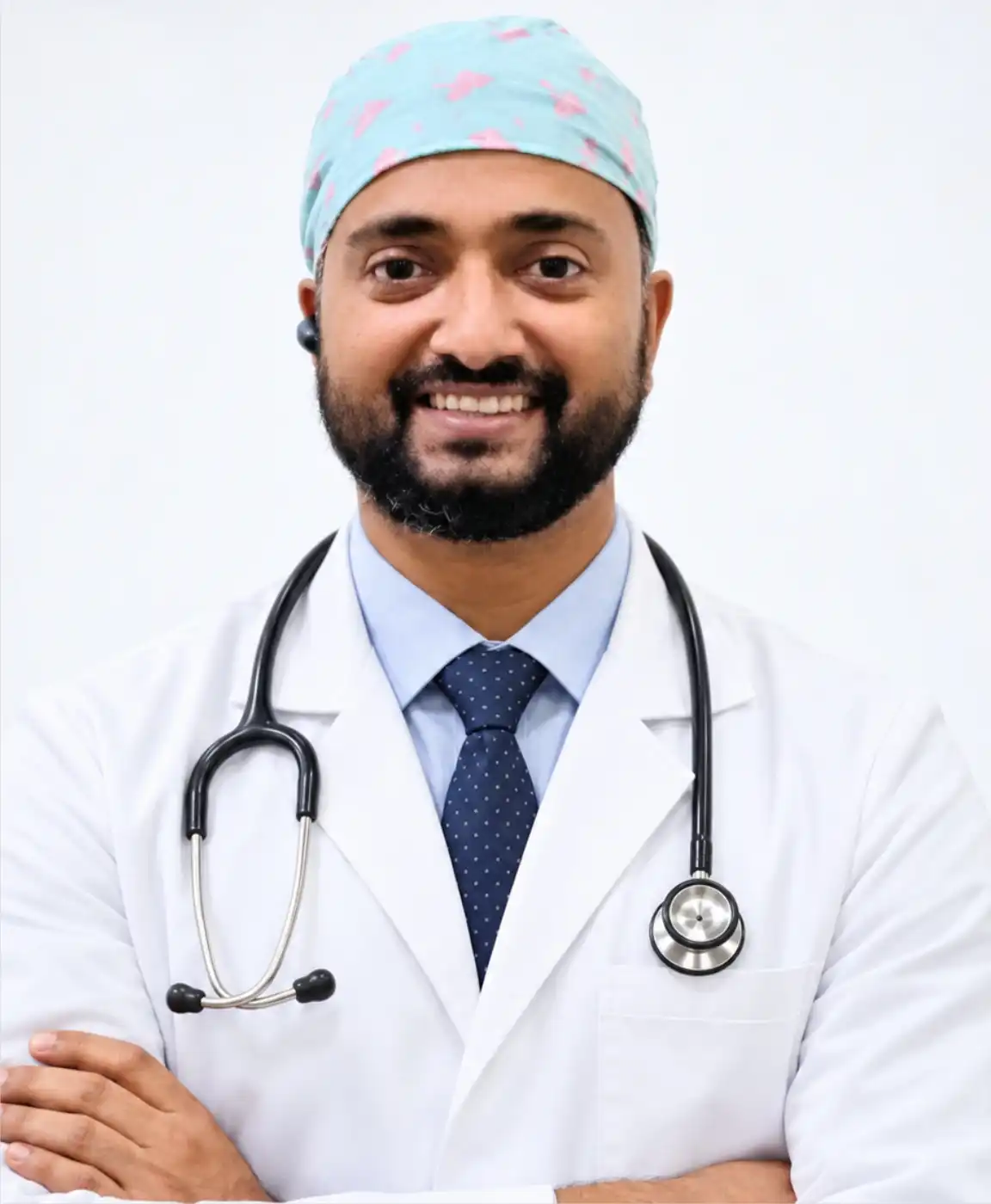
MBBS, MS (General Surgery), DrNB (Neurosurgery)
Specialist: Consultant Neurosurgeon & Spine Surgeon
Gender: Male
Language: English, Hindi, Marathi
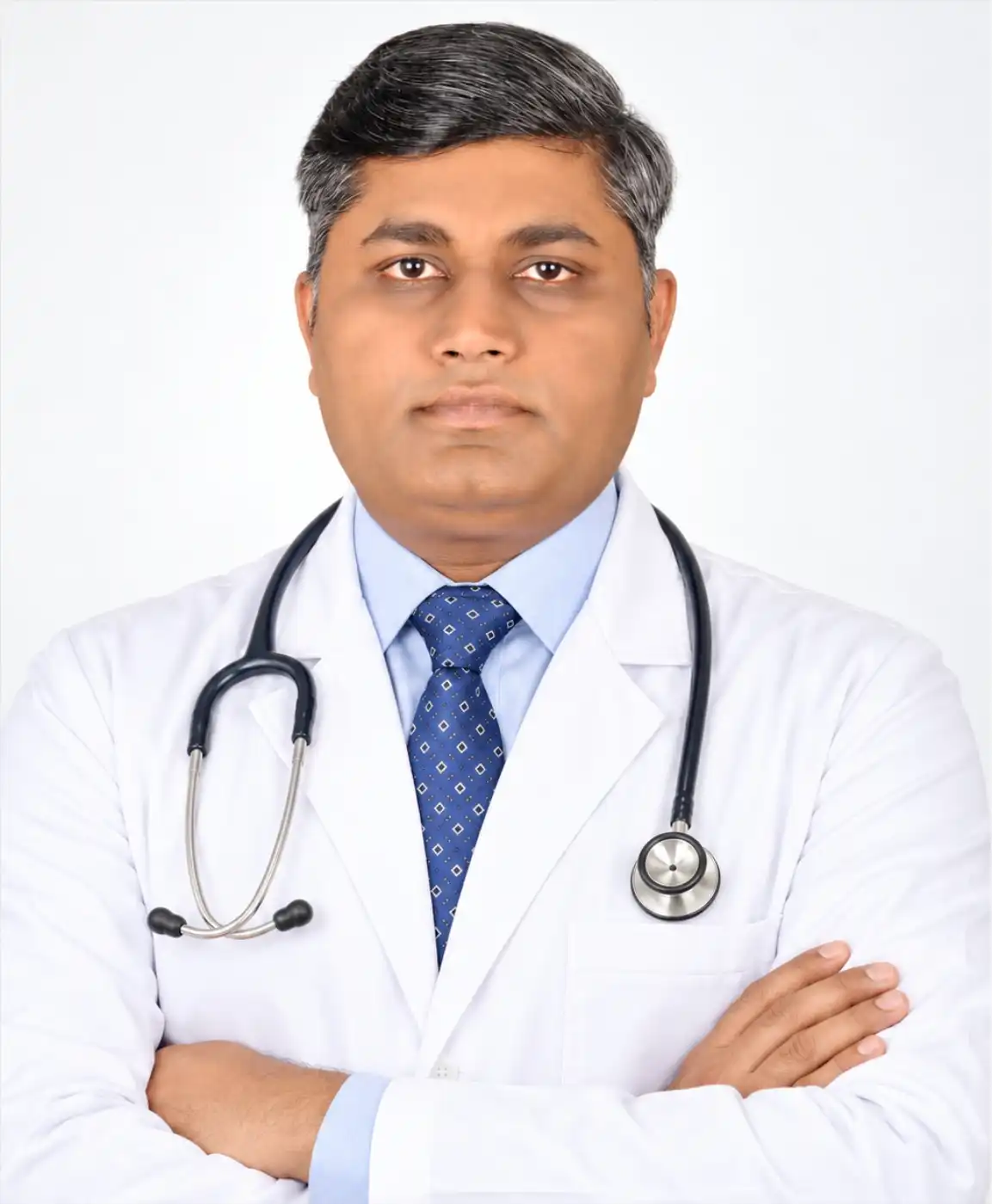
M.B.B.S., M.S. (General Surgery), M.Ch. (Neurosurgery)
Specialist: Consultant Neurosurgeon & Spine Specialist
Gender: Male
Language: English, Hindi, Marathi
MBBS, MS (General Surgery), M.Ch (Neurosurgery)
Specialist: Consultant Neurosurgeon, Spine & Endovascular Specialist
Gender: Male
Language: English, Hindi, Marathi, Gujarati
MBBS, MS (General Surgery), DNB (Neurosurgery)
Specialist: Consultant Brain, Spine & Minimally Invasive Endoscopic Neurosurgeon
Gender: Female
Language: English, Hindi, Marathi, Gujarati, Bengali
MBBS, MS (General Surgery), DrNB (Neurosurgery)
Specialist: Consultant Neurosurgeon & Spine Surgeon
Gender: Male
Language: English, Hindi, Marathi
M.B.B.S., M.S. (General Surgery), M.Ch. (Neurosurgery)
Specialist: Consultant Neurosurgeon & Spine Specialist
Gender: Male
Language: English, Hindi, Marathi