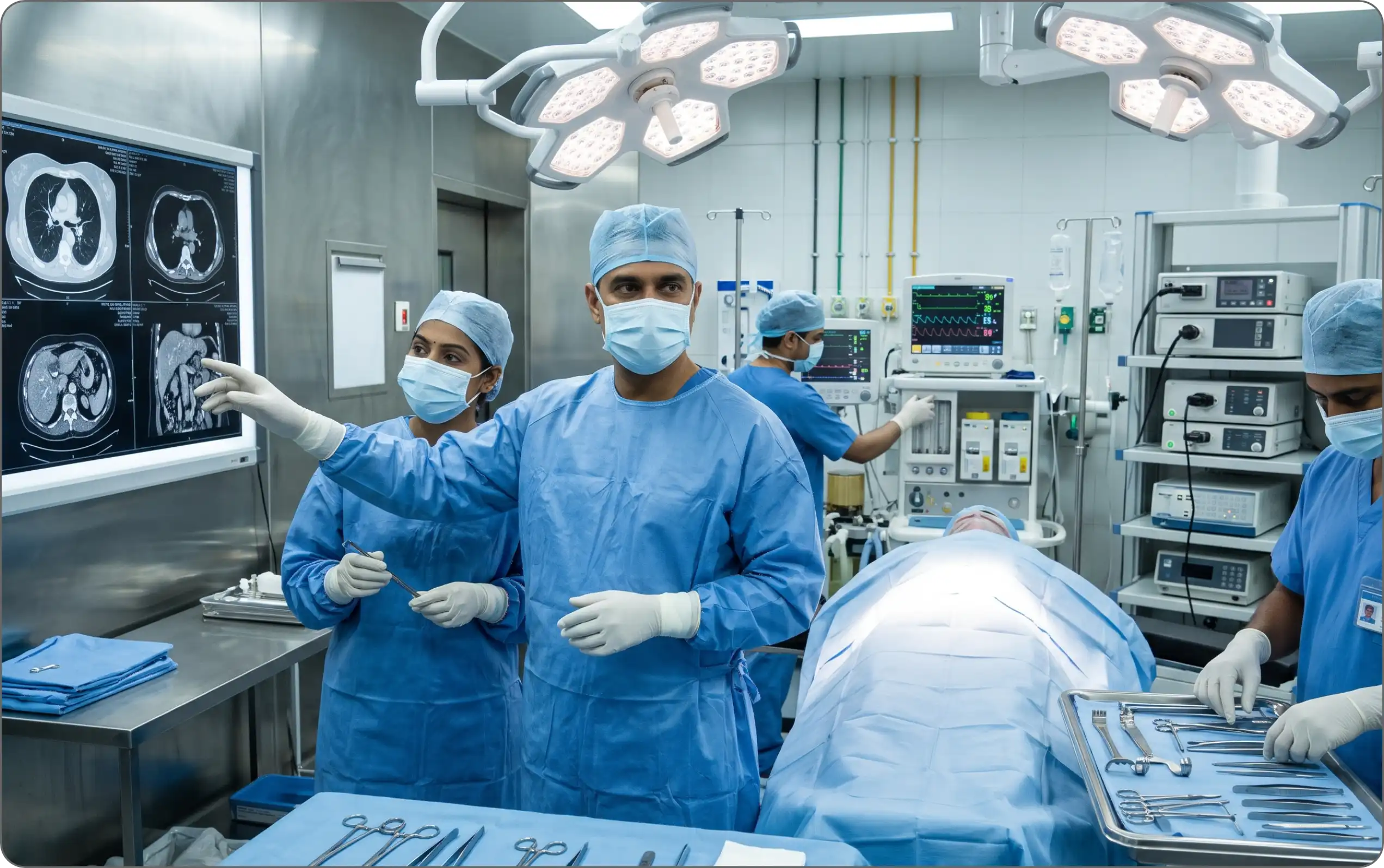
Hearing that you may need an operation for cancer is one of the hardest moments a person and a family can face. There is fear, there are questions, and there is often very little time to take it all in. The Department of Surgical Oncology at Apex Group of Hospitals provides surgical treatment for solid tumours, with care available in Borivali, Kandivali and Mulund. We aim to walk with you through each step, with honesty and kindness.
Patients who see a surgical oncologist in Mumbai at Apex are first assessed with examination, imaging and biopsy so that no operation is planned until the diagnosis is clear. The department treats cancers of the breast, digestive tract, liver and pancreas, lung, head and neck, urinary and reproductive organs, endocrine glands, bones and soft tissues.
Surgery is one part of cancer treatment and is often combined with chemotherapy or radiotherapy. An operation may aim to cure, control the disease, or ease symptoms, and your surgeon will tell you which is realistic for you. Where suitable, minimally invasive surgery in Mumbai is used to reduce pain and speed recovery, and keyhole operations, such as laparoscopic surgery in Mumbai, help many patients return sooner to the people and routines they love. As a surgical hospital in Mumbai, Apex also supports recovery with nursing, physiotherapy and dietetics, so patients and families do not have to manage it alone.
The Surgical Oncology Department at Apex Group of Hospitals manages solid tumours requiring surgical assessment, from small lumps needing a biopsy to advanced cancers requiring major operations. Planning depends on the tumour type, its stage and the patient's general health, and operations are advised only after the diagnosis is confirmed.
Cancers the department manages include:
At the first visit, the surgeon reviews reports and scans, examines the patient and may order further tests. The surgeon explains whether surgery is needed now, later or not at all, and what the operation involves.
A cancer operation has to be right the first time, so planning matters as much as technique. Apex Group of Hospitals brings imaging, pathology, surgery and recovery services together across Borivali, Kandivali and Mulund.
Book An Appointment
From consultation to treatment and recovery, our doctors across Borivali, Kandivali and Mulund are committed to delivering quality healthcare with excellence, compassion and trust.
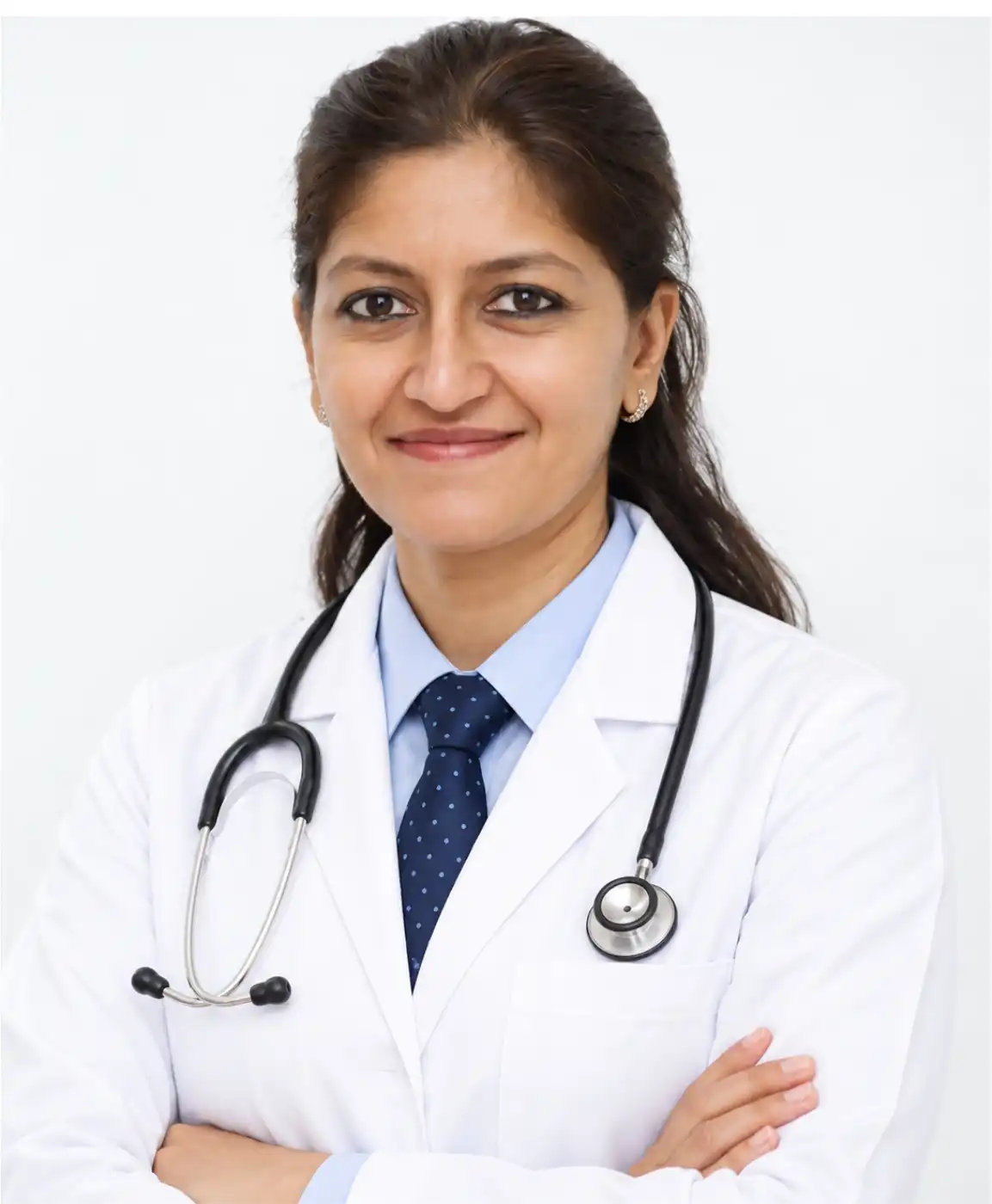
MBBS, MS (General Surgery)
Specialist: Consultant General, Laparoscopic & Breast Oncosurgeon
Gender: Female
Language: English, Hindi, Marathi
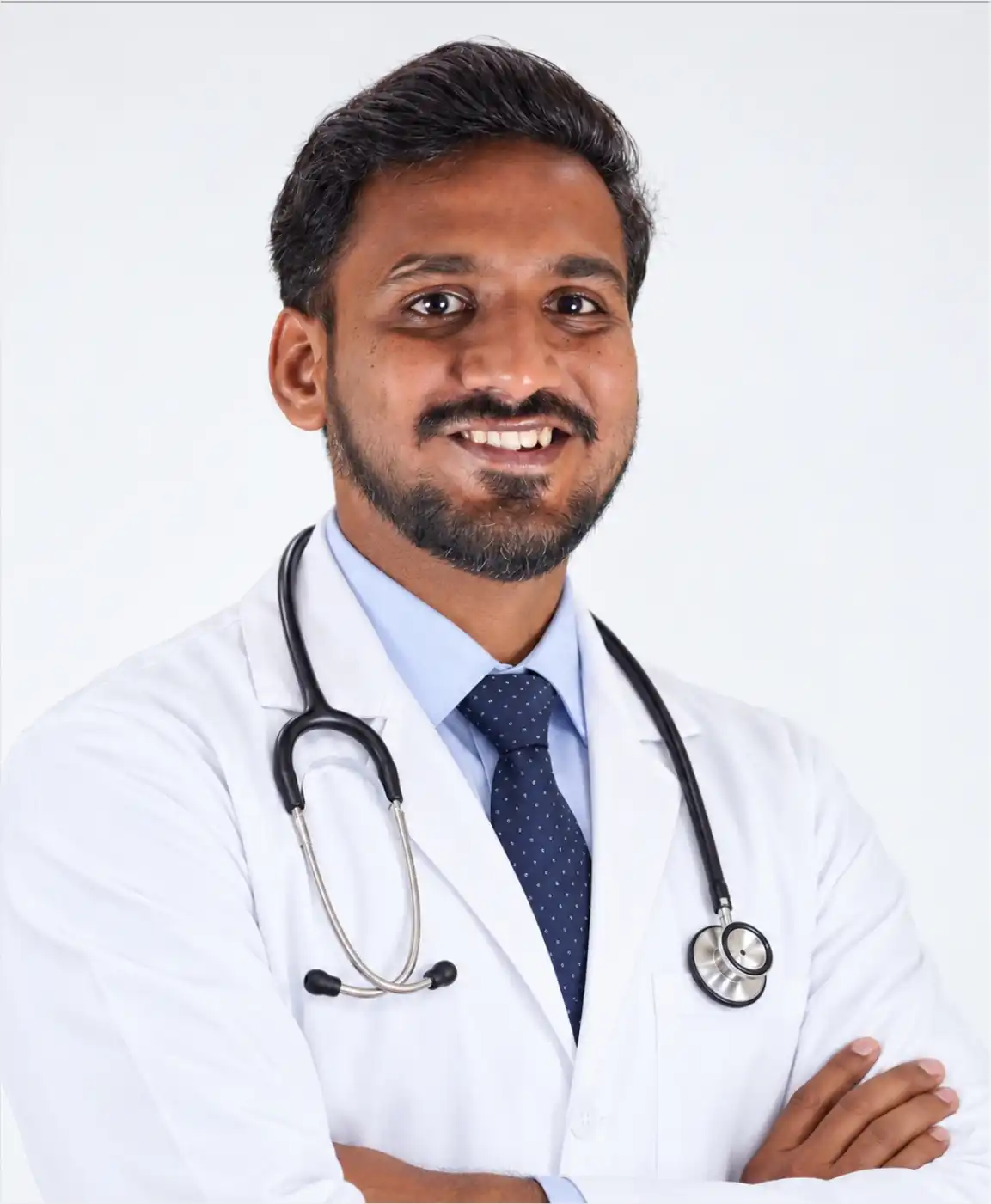
MBBS, MS (ENT), MCh (Head and Neck Oncology)
Specialist: Head & Neck Oncosurgeon
Gender: Male
Language: English, Hindi, Tamil
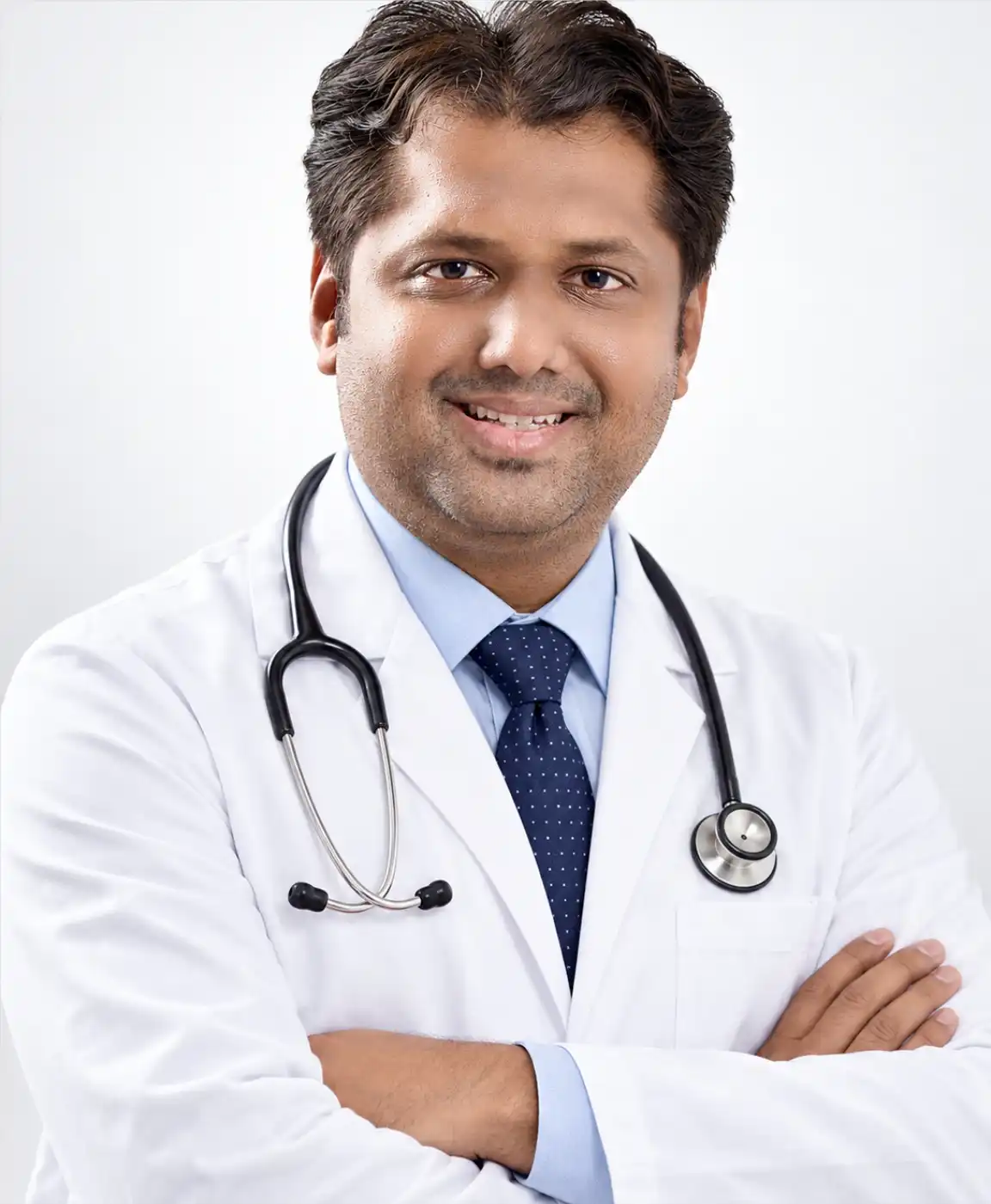
MBBS, DNB (General Surgery), DrNB (Surgical Oncology)
Specialist: Consultant Surgical Oncologist
Gender: Male
Language: English, Hindi, Marathi, Gujarati
MBBS, MS (General Surgery)
Specialist: Consultant General, Laparoscopic & Breast Oncosurgeon
Gender: Female
Language: English, Hindi, Marathi
MBBS, MS (ENT), MCh (Head and Neck Oncology)
Specialist: Head & Neck Oncosurgeon
Gender: Male
Language: English, Hindi, Tamil
MBBS, DNB (General Surgery), DrNB (Surgical Oncology)
Specialist: Consultant Surgical Oncologist
Gender: Male
Language: English, Hindi, Marathi, Gujarati